The Symbolism, Folklore, & Fairy Tales of Forget-Me-Nots

The Meaning of Forget-Me-Nots
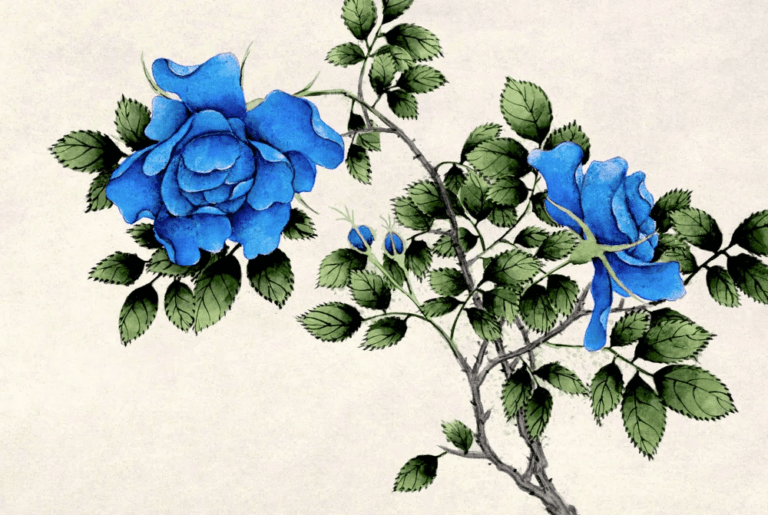
This bright blue flower may be tiny, but it can symbolize a whole heart’s worth of enduring, persevering love.
Since the Medieval Ages, forget-me-nots have been a symbol of everlasting true love, deep devotion, faithful remembrance, and fidelity in both romantic love and friendship.
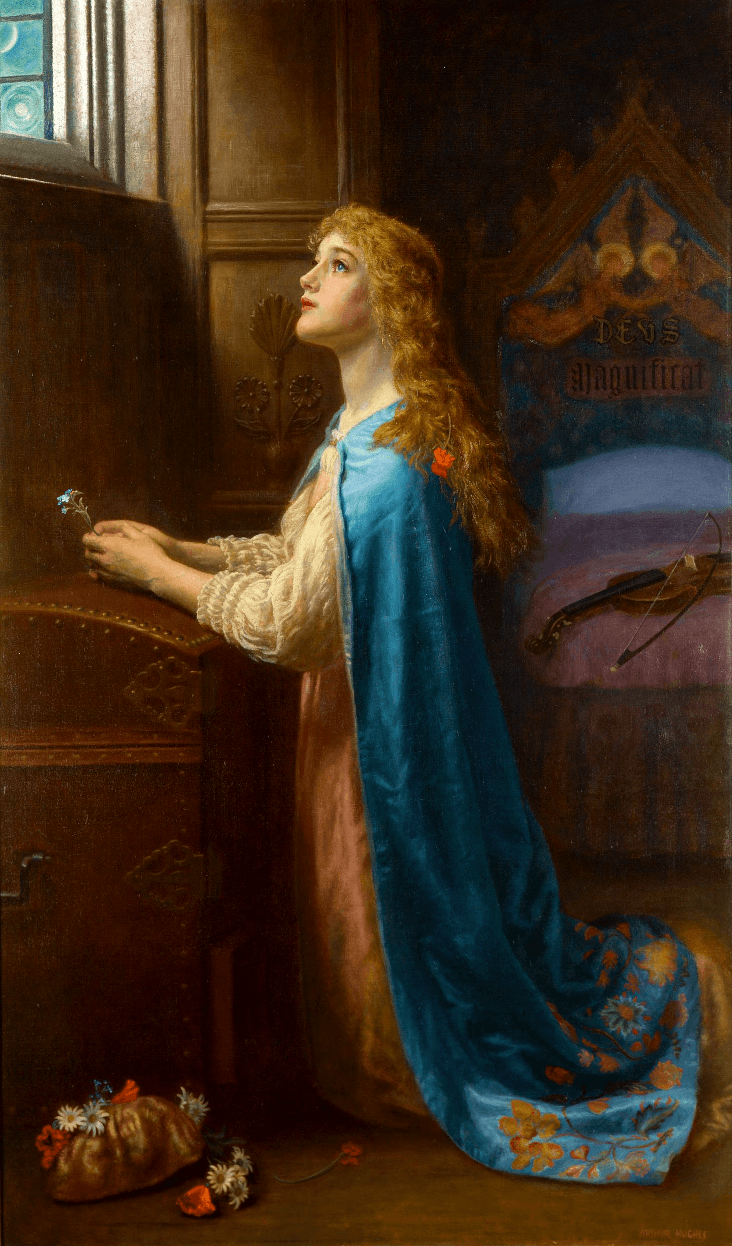
The steadfast little forget-me-not has often appeared at weddings and memorials for this reason, and for centuries has been featured in artwork as a symbol of enduring love in both life and death. In modern times, forget-me-nots have become a symbol of advocacy for those suffering from Alzheimer’s and dementia.
Despite the flower’s diminutive size, they are eye-catching due to their vivid blue color, which is a rarity in the kingdom of flowering plants. Forget-me-nots belong to the genus of flowers called myosotis, named after the Ancient Greek word for mouse’s ear because of the shape of its leaves.
But where did the name “forget-me-not” come from?
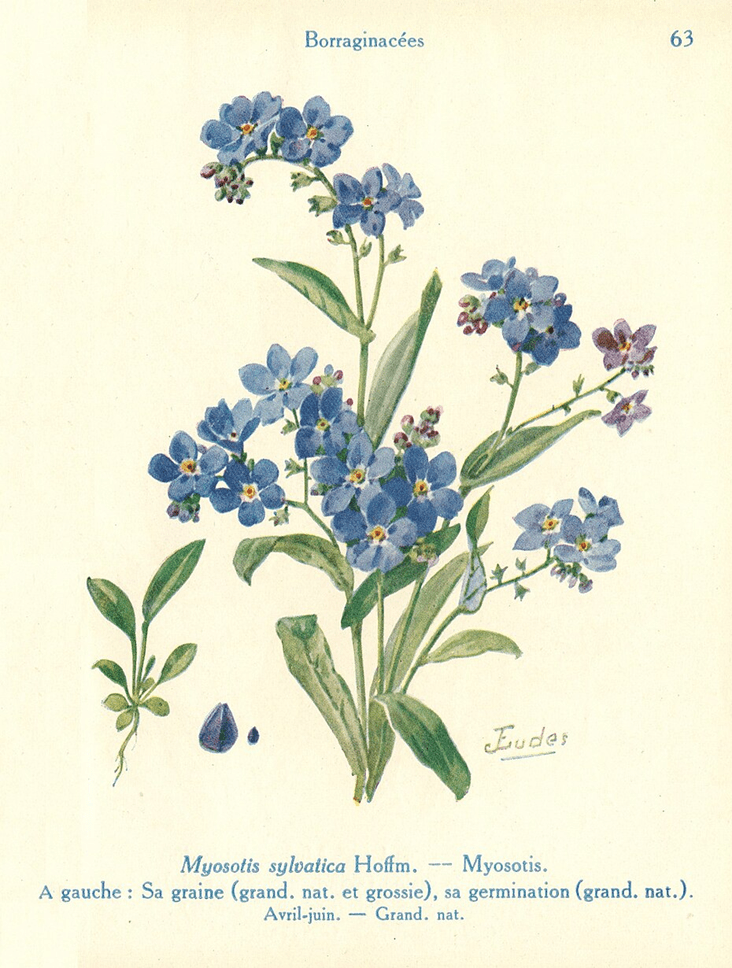
The German Legend of Forget-Me-Nots
An old German legend tells the tale of a knight-errant and his beloved lady, walking on the banks of the Danube river on a fateful spring day that was meant to be the eve of their marriage.
The lady, arm in arm with the knight, was gazing upon the shining waters of the great river when she spotted a cluster of tiny blue flowers swirling in the currents near the river bank.
“How beautiful they are!” said the lady, admiring the little blossoms floating along by the water’s edge. “And how sad they will be carried away!”
The knight, who wished not to deny his beloved anything her heart desired, did not hesitate to cast himself into the river to rescue the little flowers. In a moment the flowers were in his hand, but alas! The river current was too strong for the knight.
As a final token of his love, he flung the spray of little blue flowers on the river bank, with the parting words “Vergiss mich nicht!” — “Forget me not!” — as he was swept away from his lady-love, never to be seen again.
Forever after, until the end of her days, the lady braided the little blue flowers in her hair in remembrance of her knight and their love.
“And the lady fair of the knight so true,
Aye remembered his hapless lot;
And she cherished the flower of brilliant hue,
And braided her hair with the blossoms blue,
And she called it Forget-me-not.”
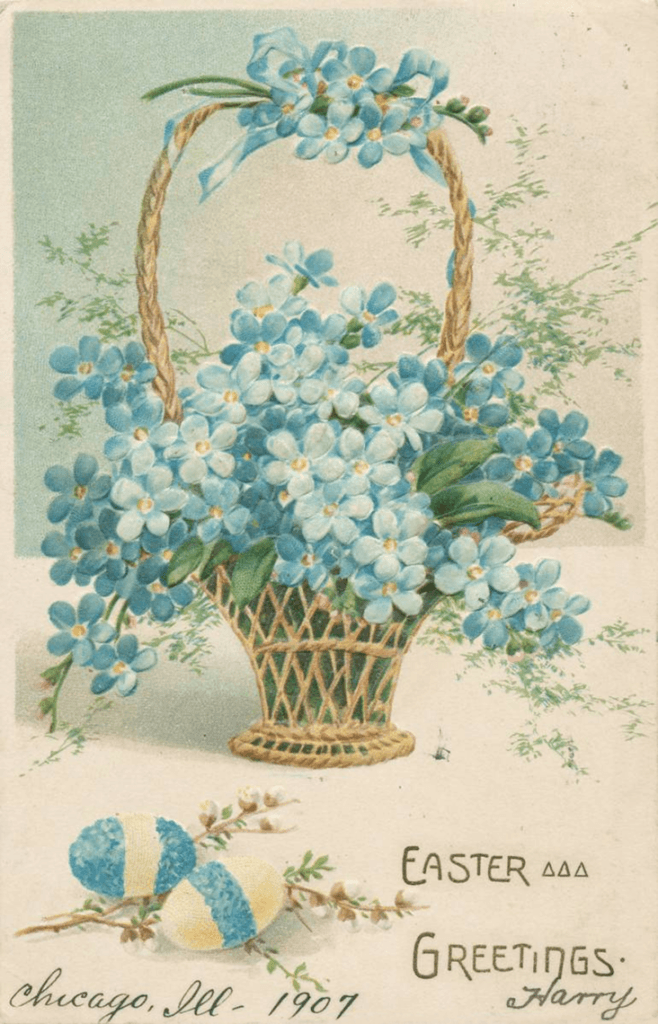
Forget-Me-Nots in Christian Folklore
There are two legends in Christian folklore relating to how the forget-me-not got its name, both set in the Garden of Eden.
In one legend, Adam has named all of the plants and cautioned them to remember their names, but the forget-me-not does not heed his warning and soon forgets. When the little flower, ashamed of its forgetfulness, asks its name-giver by what name it is called, Adam replies with a new name: “Forget-me-not.”
In another legend, God is walking in the Garden of Eden, whereupon he sees a little blue flower and asked it its name, and the tiny flower, with a very timid voice, whispered that it had forgotten. God then renamed the shy little flower “Forget-me-not,” with a promise that it would never be forgotten, nor any of his creatures.
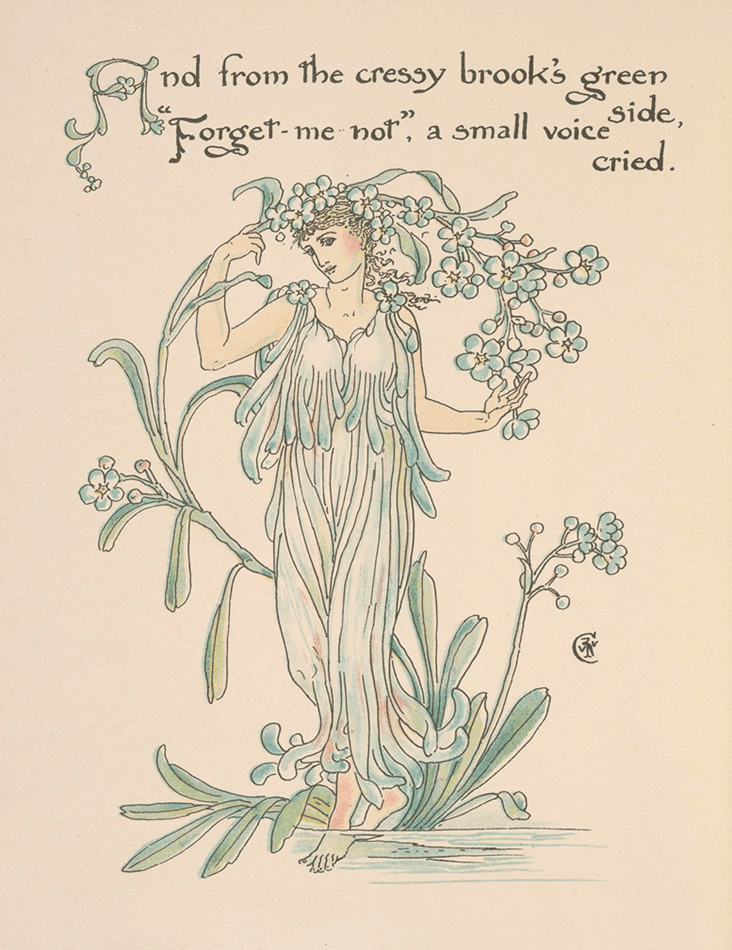
Vintage Fairy Tales Featuring Forget-Me-Nots
In addition to being a symbol of love and remembrance in art, the forget-me-not has also been a recurring motif in stories across the ages, including these three fairy tales from the Victorian and Edwardian eras.
Baroness Orczy, a Hungarian-British author best known for her novel The Scarlet Pimpernel, published a collection of tales entitled Old Hungarian Fairy Tales in 1895, which included one story about a fairy named Forget-me-not who is sent away by a jealous sister, with the journey home involving a wicked queen, a lonely prince, and a bat skin.
Mrs. Molesworth, a British author who wrote many children’s books in the Victorian Era, tells a tale of twin sisters who live in a castle by the sea where they encounter a mysterious fairy lady named Princess Forget-me-not in her novel The Children of the Castle, published in 1890.
Edith Ogden Harrison, an American author of children’s stories and fairy tales, published a fantasy called The Moon Princess in 1905 that includes several fairy tale stories, with one telling the tale of a prince who is in search of rain for his desert kingdom and is given the very first forget-me-not after meeting a mysterious rain-cloud princess.