The Difference Between Fairy Tales, Fables, Myths, and Legends

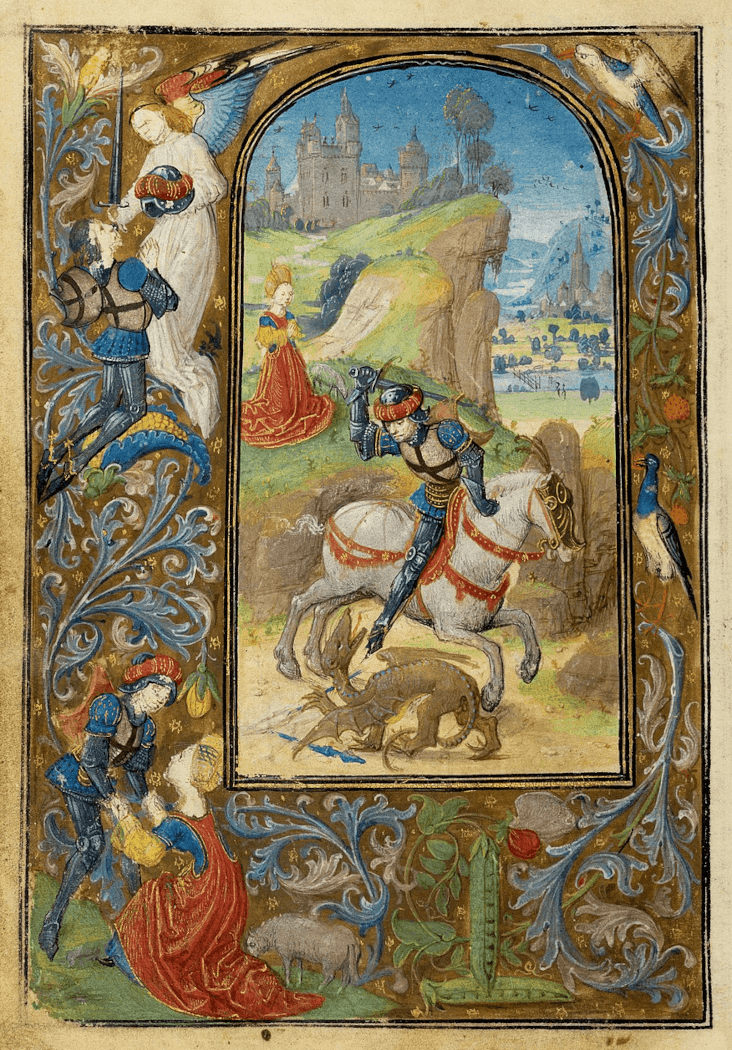
Illumination of Saint George and the Dragon by Lieven van Lathem, c. 1471.
What’s the difference between fairy tales, fables, myths, and legends?
Maybe you’re reading a wonderful story in an antique book, or you’re sharing a tale as old as time with the next generation, or you’re brainstorming a fantastical story of your own…
But how do you know if it’s a fairy tale, a fable, a myth, or a legend?
All of these types of stories belong to a larger storytelling tradition: the genre of folklore.
But although they all diverge from the same family tree of tales and these branches can (and often do) intertwine, they each have their own unique characteristics.
So, what’s the difference between fairy tales, fables, myths, and legends?
Let’s dive into what makes each of them unique.
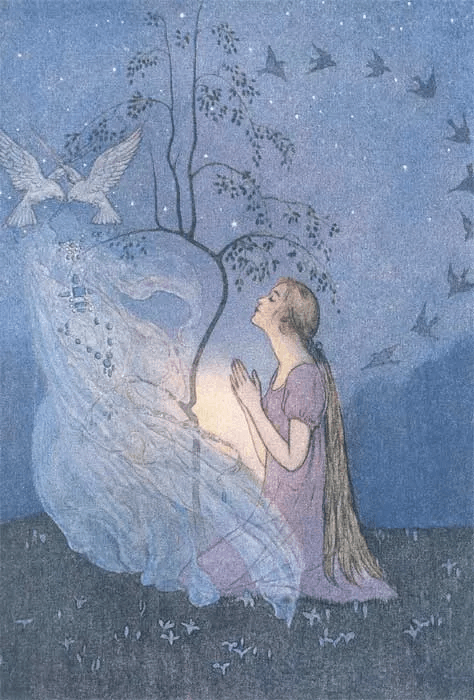
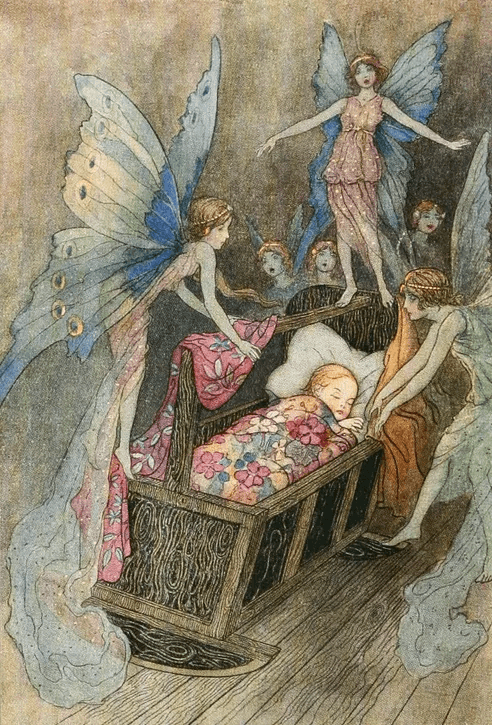
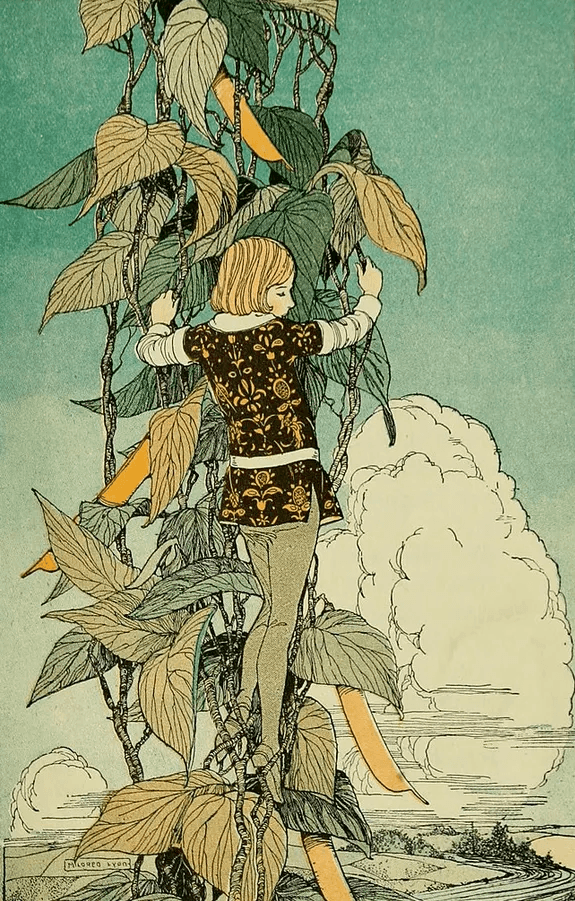
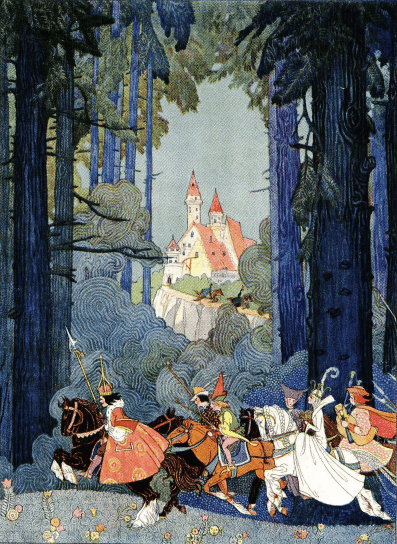
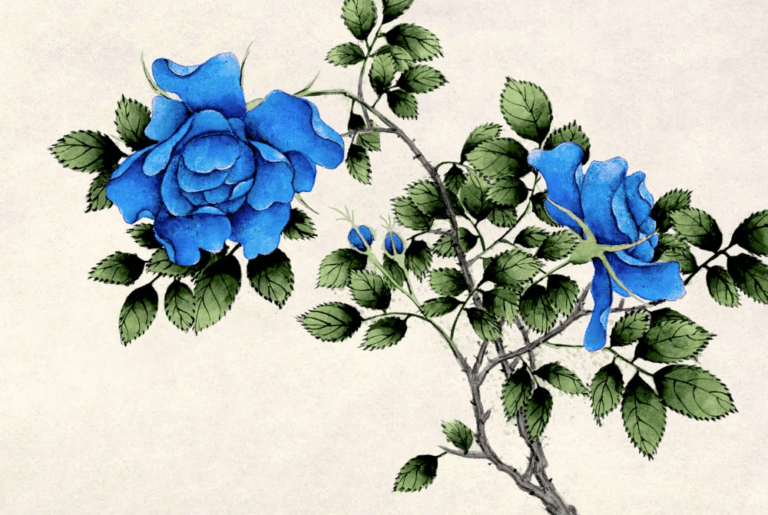
Illustrations by Elenore Abbott, Warwick Goble, Mildred Lyon, and Maud and Miska Petersham.
What is a Fairy Tale?
A fairy tale is a short story or novella that involves story elements like enchantments and magical beings. They’re often intended for children, but not always.
(Yes, the standard spelling is two words: fairy tale. However, it’s often seen spelled as one word, and they are also sometimes called fairy stories.)
Fairy tales can feature mythical creatures like dragons and fairies, and they often involve storytelling devices like magical powers or curses, or enchanted objects and astonishing places.
While not always the case, fairy tales often conclude with a “happily ever after” ending where good triumphs over evil.
Examples of Fairy Tales
- Cinderella
- Jack and the Beanstalk
- The Beauty and the Beast
- Sleeping Beauty
- The Little Mermaid
Famous fairy tale authors include Hans Christian Andersen, the Brothers Grimm, Charles Perrault, Madame d’Aulnoy, and Andrew Lang.
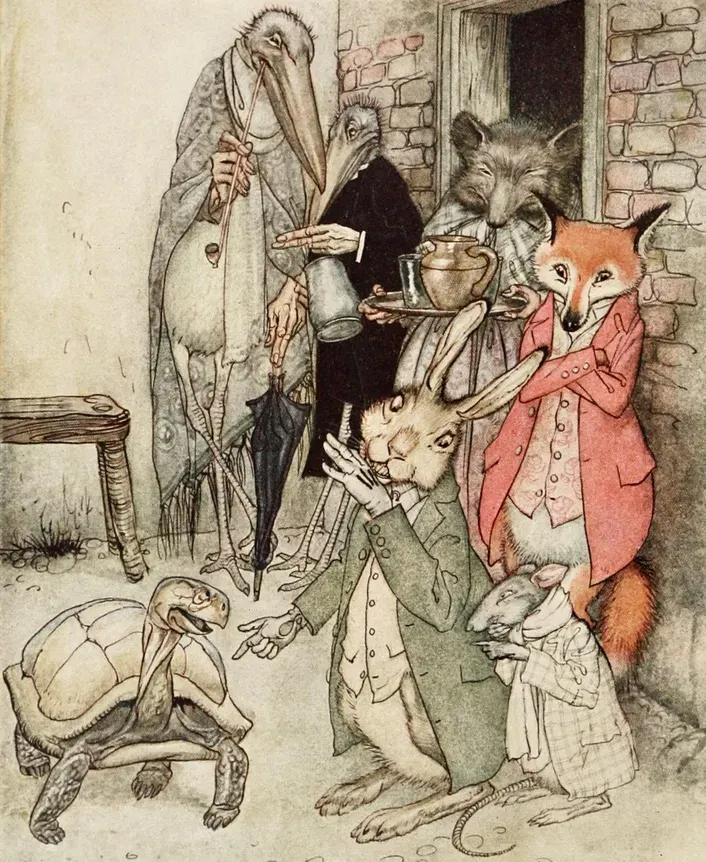
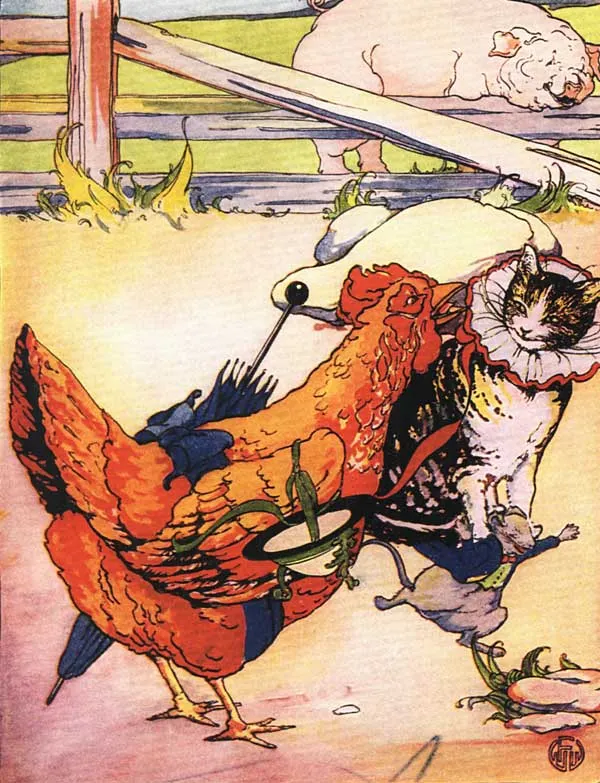
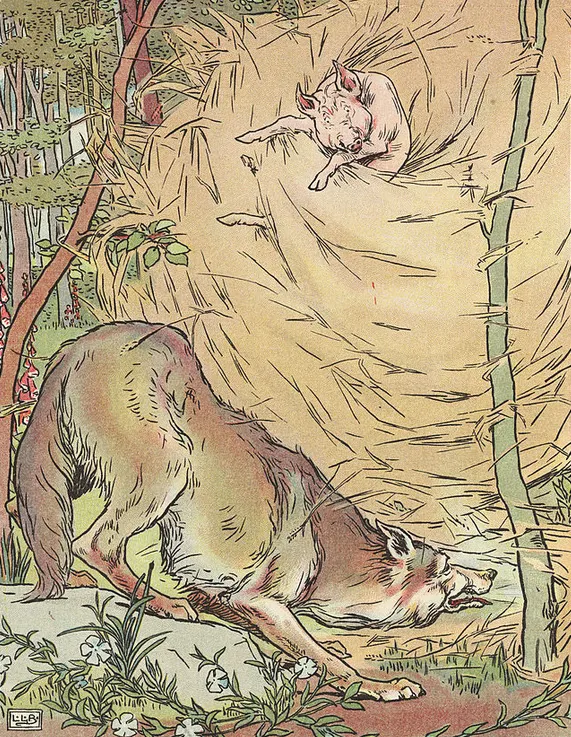
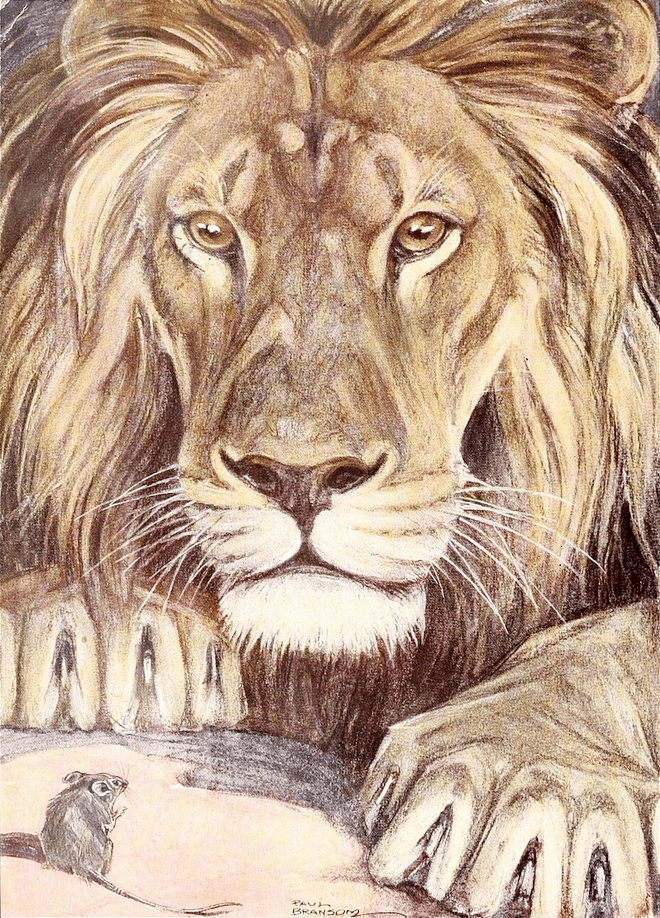
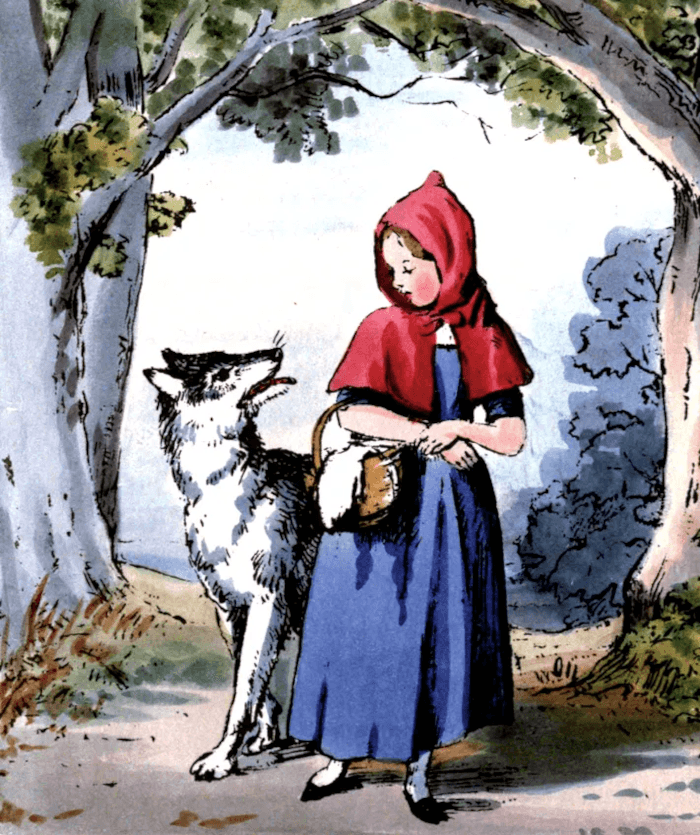
Illustrations by Arthur Rackham, Florence White Williams, L. Leslie Brooke, and Paul Bransom.
What is a Fable?
The term fable can be broadly applied to fictitious stories, but within the genre of folklore, it typically refers to very short tales that teach helpful truths and moral lessons.
While many fables involve humans, a fable can take almost anything and turn it into a character with a speaking role: insects and animals, flowers and trees, mountains and rivers, or even forces of nature can play a part in the story.
Often, fables end with a pithy saying or a summing-up of the tale’s message—in essence, “and that’s the moral of the story!”
Examples of Fables
- The Tortoise and the Hare
- The Little Red Hen
- The Three Little Pigs
- The Mouse and the Lion
- The Boy Who Cried Wolf
A person who writes fables is called a fabulist. One of the most famous fabulists in history is Aesop, the Greek slave who is credited with writing the collection of tales now known as Aesop’s Fables.
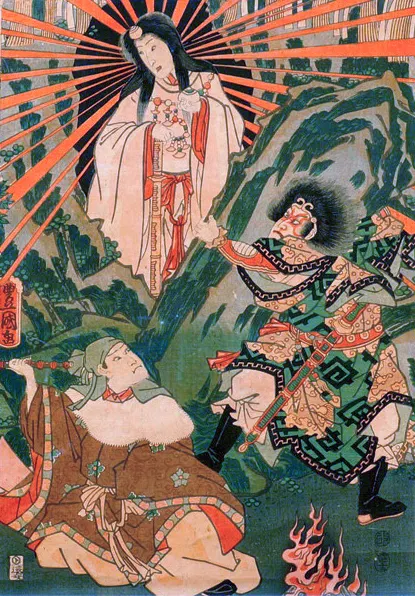
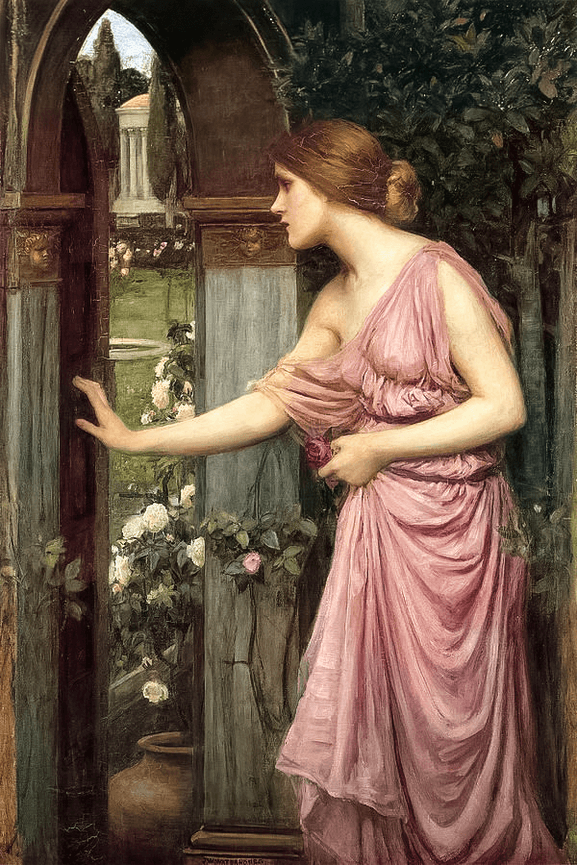
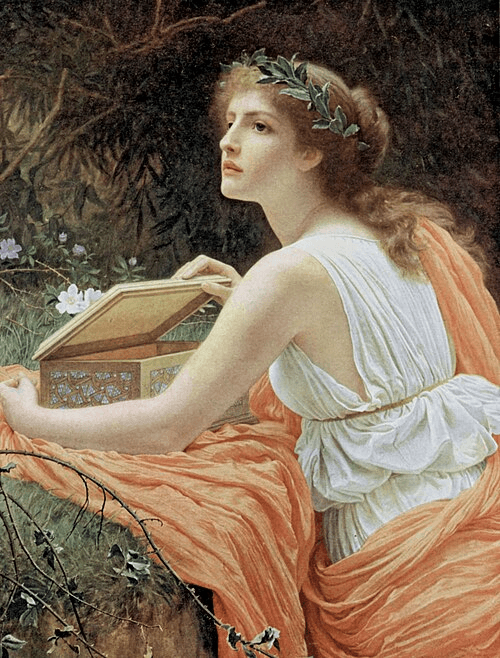
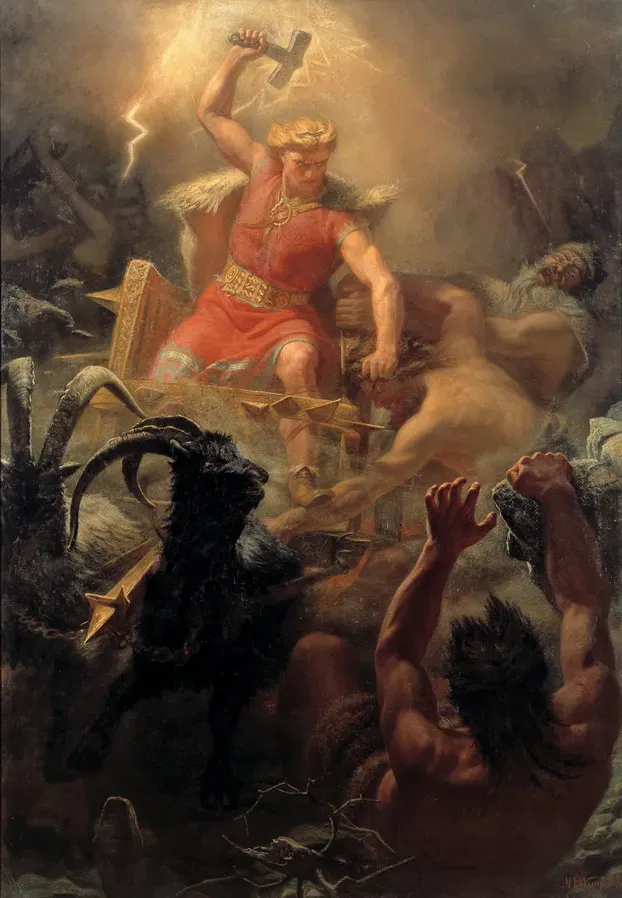
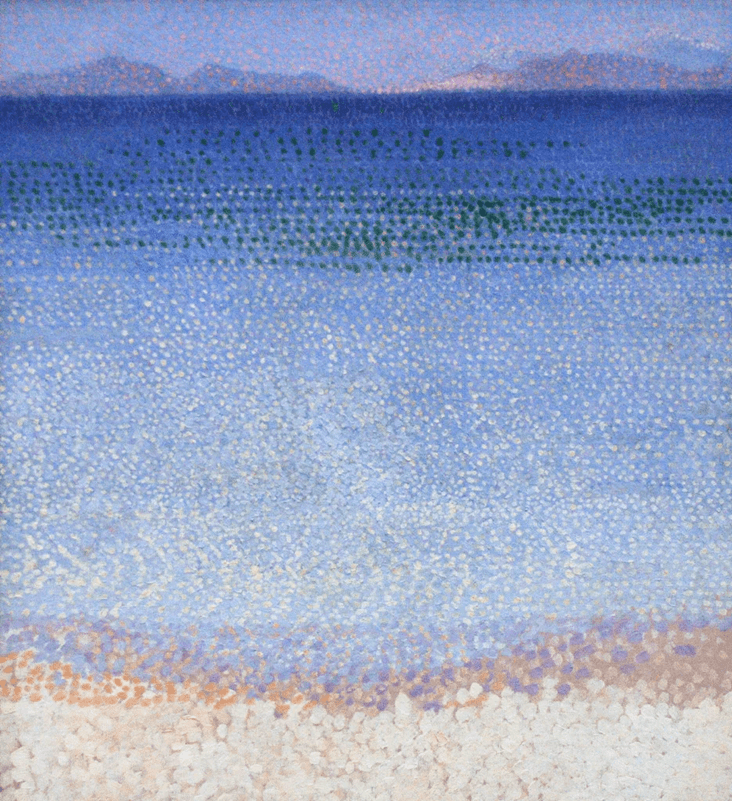
Paintings by Utagawa Kunisada, John William Waterhouse, Charles Edward Perugini, and Mårten Eskil Winge.
What is a Myth?
Myths are ancient stories that involve deities or demigods. They often describe the supernatural origins of natural phenomena, explain the roots of religious practices and beliefs, or wrestle with fundamental concepts like good and evil and life and death.
Although the word myth is sometimes used to describe something that is imaginary or fictitious, it should be noted that the word does not necessarily mean untrue in every context, especially when it is used to describe the sacred beliefs of a people.
Creation stories and flood narratives from around the world, for example, are types of myths.
Examples of Myths
- The myth of the Japanese sun goddess Amaterasu
- The Greco-Roman myth of Cupid and Psyche
- The Norse myth of Thor and Mjölnir
- The Greek myth of Pandora’s Box
- The animal race myth of the Chinese Zodiac
A famous writer of classical myth is the Greek poet Homer, who is credited as the author of the Odyssey and the Iliad.
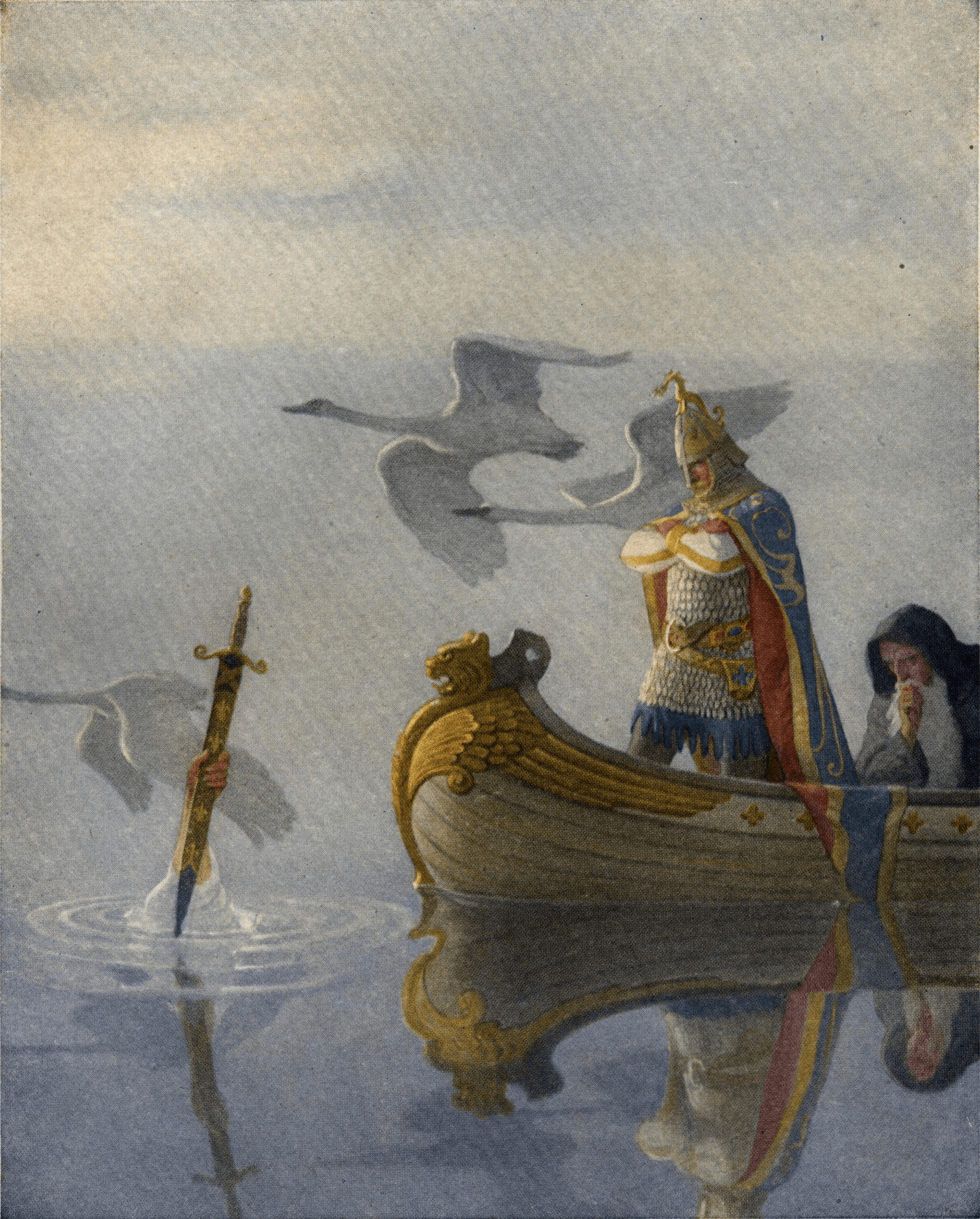
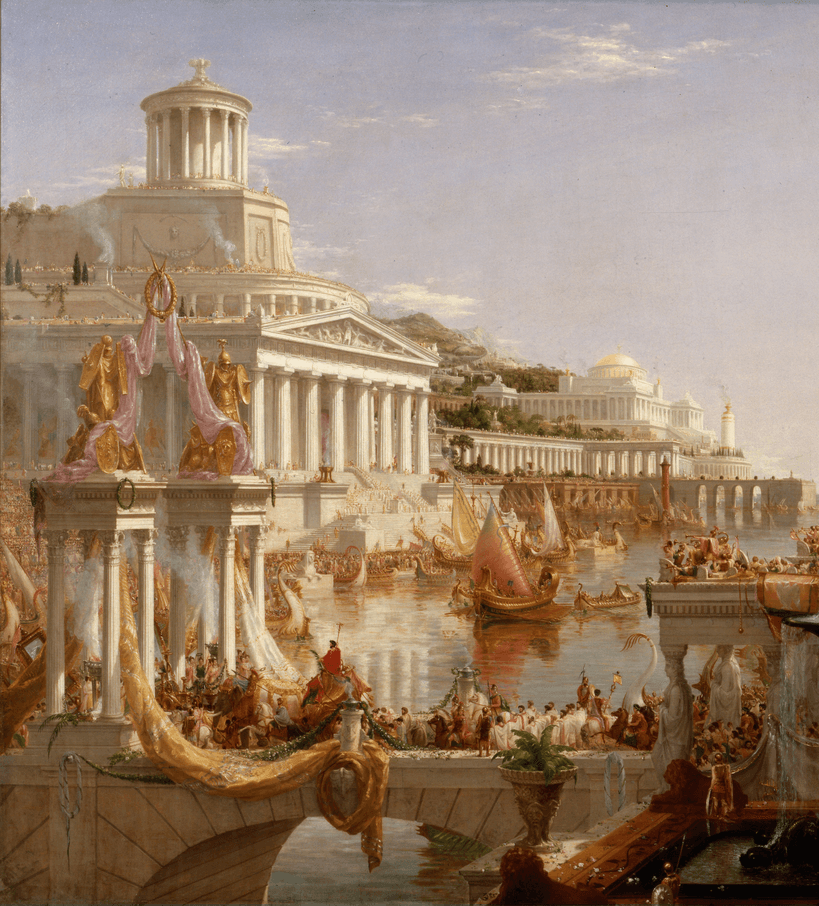
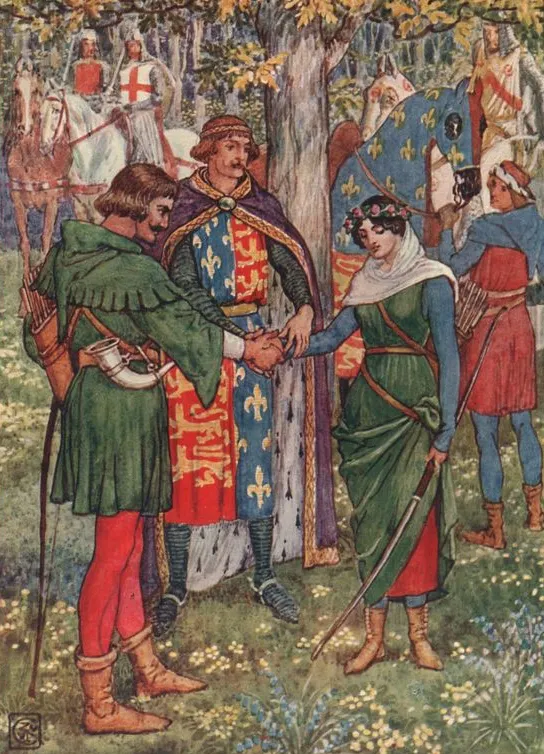

Paintings by N.C. Wyeth, Thomas Cole, Walter Crane, and He Dazi.
What is a Legend?
Legends are tales that are traditionally believed to be historical, but are unverified. Although these stories concern mortal human beings instead of gods, legends can involve astonishing creatures or adventures that defy belief.
In some cases, legends involve people, events, and/or places that are known to have existed in history, but many facts have been changed or modified, either for dramatic effect or through the evolution of being passed down through the years and retold again and again.
It’s common for the listener to have some uncertainty about the legend’s veracity — which, perhaps, adds to the wonder.
Examples of Legends
- King Arthur and the Knights of the Round Table
- The Ballad of Mulan
- Robin Hood and Maid Marian
- The Legend of Atlantis
- Saint George and the Dragon
Jacob and Wilhelm Grimm, the authors of Grimms’ Fairy Tales, defined legends as being “historically grounded” folktales.
And now you know the difference between fairy tales, fables, myths, and legends!
But no matter what type of story you decide to explore next in the fantastic realms of fairy tales, fables, myths, and legends, you can’t go wrong with learning more about these remarkable tales, or spending time crafting your own story and sharing it with others.